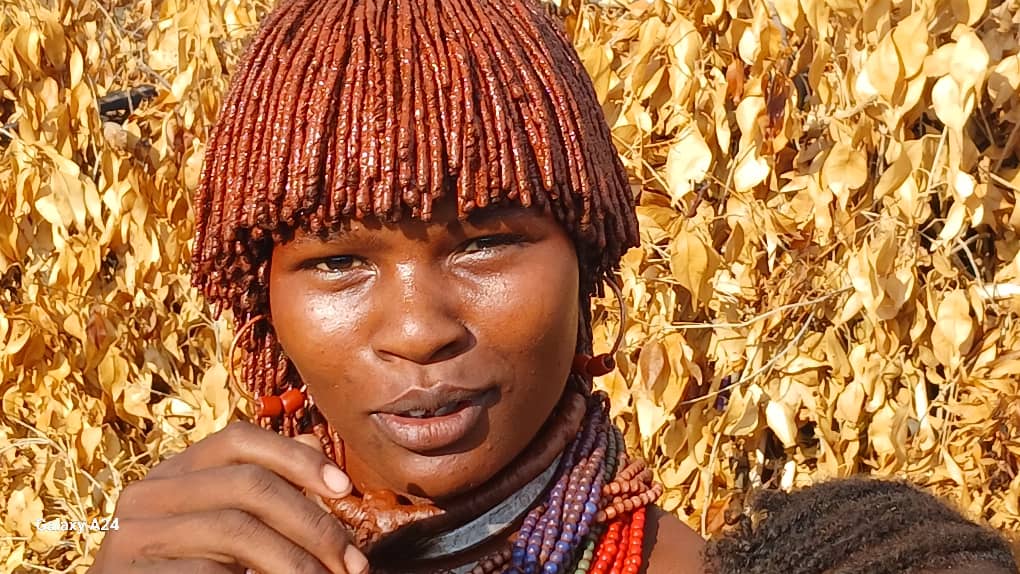
The Hamer community is one of the most culturally vibrant groups in Ethiopia’s Omo Valley. Recognized for their elaborate beadwork, striking hairstyles, and the renowned “bull-jumping” initiation ceremony, the Hamer maintain traditions that mark the transition from youth to adulthood.
Their livelihood centers around cattle herding and small-scale farming, supported by deep family bonds and community values. Women are especially admired for their braided hair coated with red ochre and butter a distinctive symbol of beauty and identity. Visiting a Hamer village offers travelers a chance to witness traditional dances, rhythmic music, and authentic rural life in a welcoming setting.
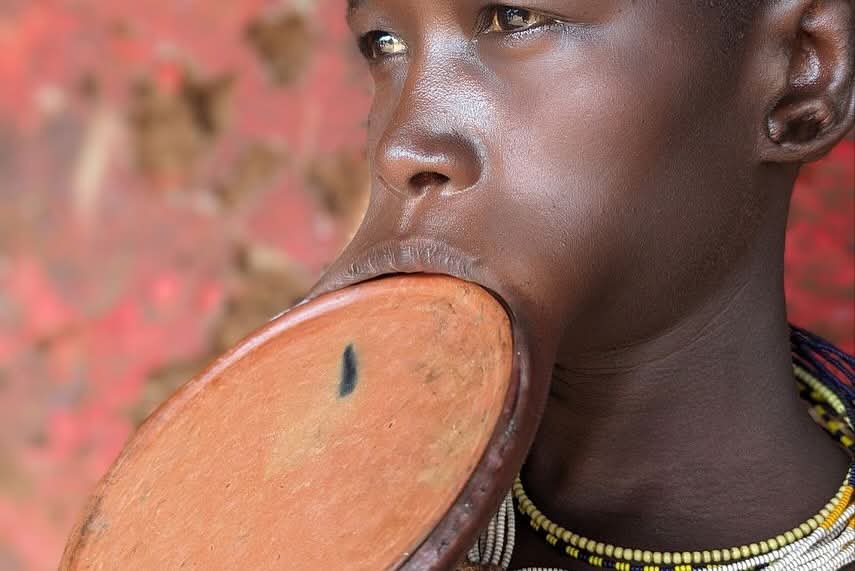
The Mursi are among the most iconic ethnic groups of the Omo Valley, widely known for the clay lip plates worn by women a cultural symbol of maturity, pride, and identity. Living near the Omo River, the Mursi depend on cattle herding and seasonal farming while maintaining strong warrior traditions.
Despite outside influences, they continue to preserve ancestral customs such as body painting, scarification, and ceremonial gatherings. A visit to a Mursi village provides meaningful insight into a community that remains deeply connected to its heritage and environment.
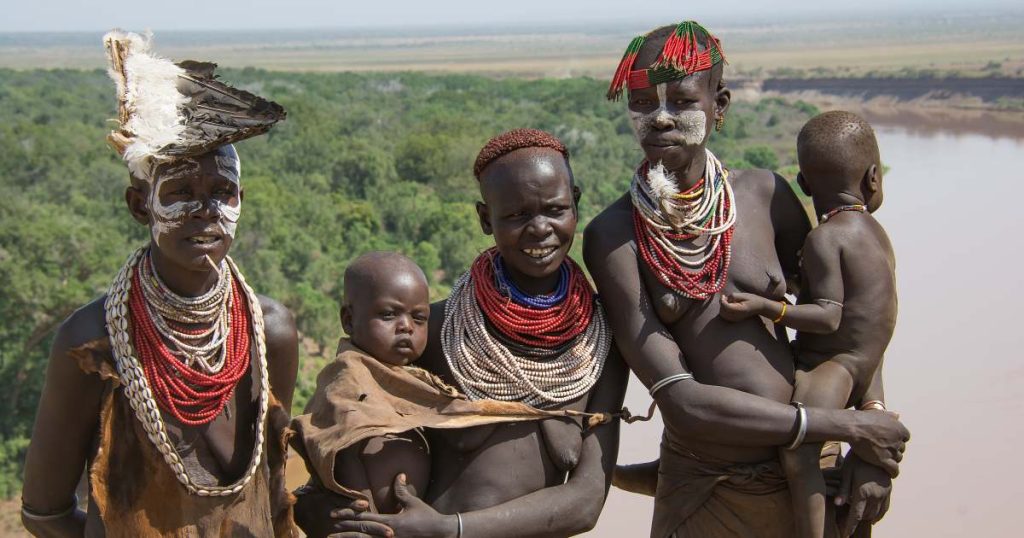
The Karo people are celebrated for their intricate body painting, created using natural pigments such as white chalk and red ochre. These artistic patterns are often applied during festivals, ceremonies, and courtship rituals.
Residing along the banks of the Omo River, the Karo rely on fishing and flood-retreat farming to sustain their community. Visitors are often struck by their creativity, hospitality, and strong cultural identity, making a visit to a Karo village both visually captivating and culturally enriching.
The Dassanech inhabit the lower Omo Valley near the Ethiopian-Kenyan border, where they adapt to a challenging and changing environment. As pastoralists and fishermen, they depend on livestock and river resources for survival.
Known for their resilience and ingenuity, the Dassanech create decorative ornaments from recycled materials such as metal and bottle caps transforming everyday items into expressions of identity and style. Visiting their villages offers a glimpse into a community shaped by both tradition and environmental adaptation.
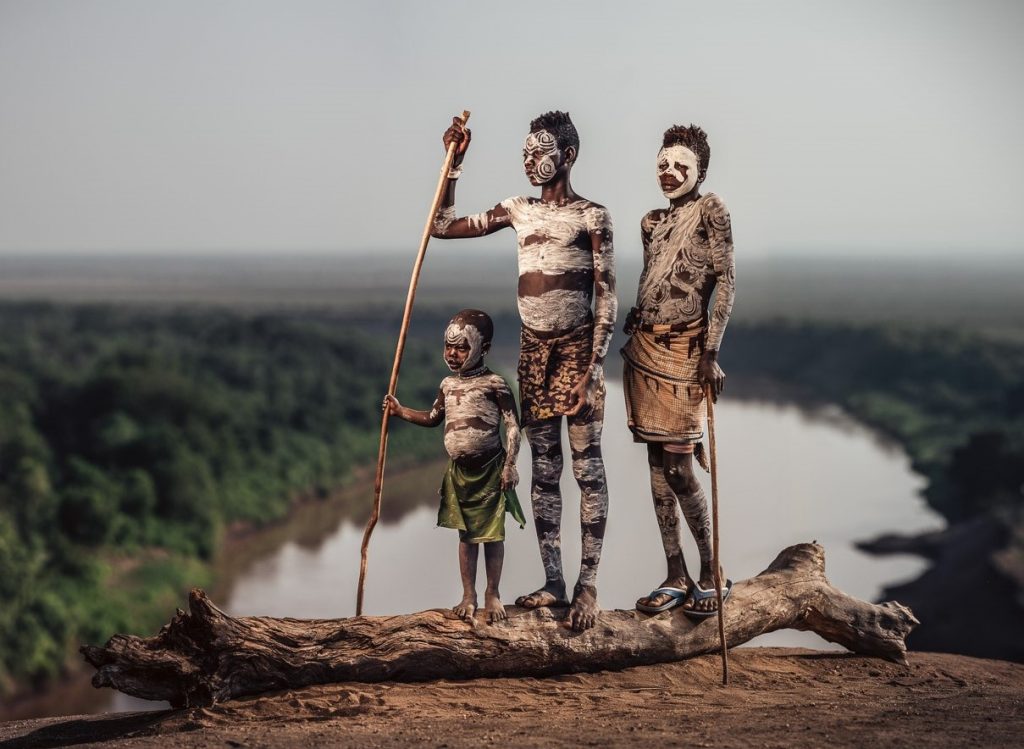
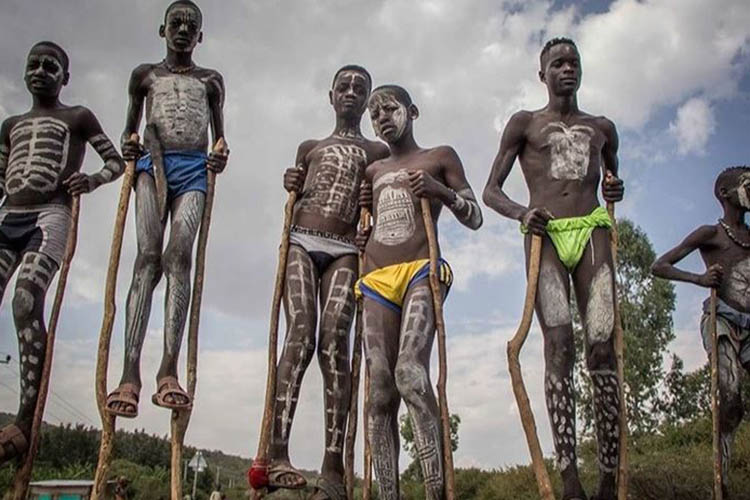
Closely related to the Hamer, the Banna people are recognized for their decorative hairstyles, handcrafted wooden stools, and vibrant cultural ceremonies. One of their most notable traditions is the “Donga” stick-fighting ritual, a ceremonial competition that demonstrates bravery, strength, and social standing.
Through music, dance, and ritual gatherings, the Banna maintain rich cultural expressions that leave a lasting impression on visitors seeking authentic encounters in the Omo Valley.
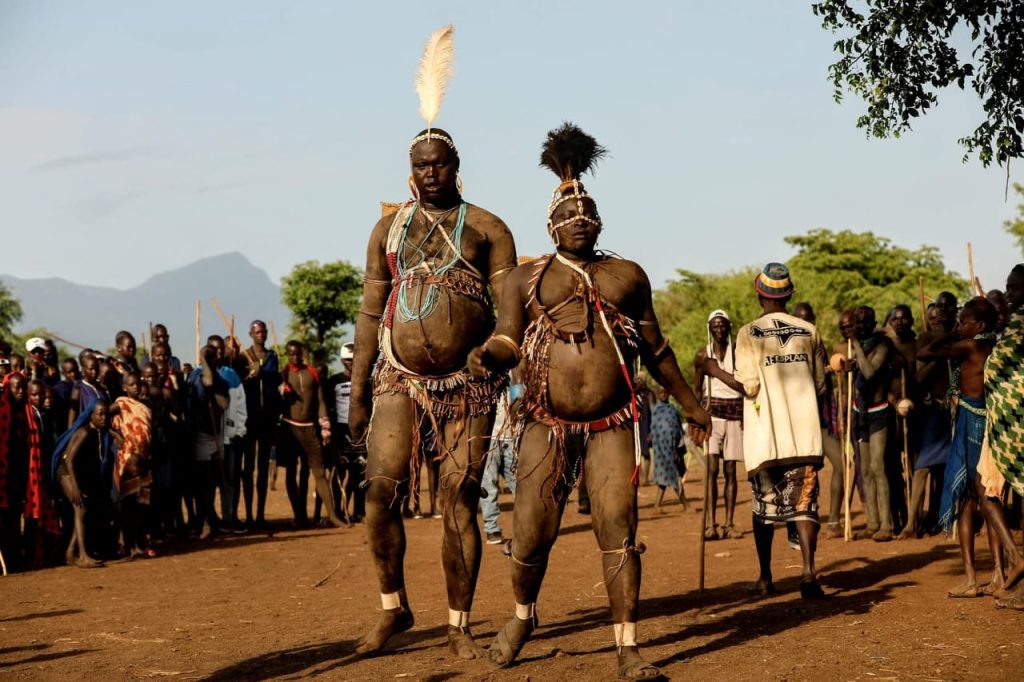
The Bodi, closely related to the Me’en ethnic group, live in isolated regions west of the Omo River. Their relative remoteness has allowed them to preserve cultural traditions that remain largely untouched by modern influence.
One of their most remarkable ceremonies is the Ka’el ritual, during which selected men intentionally gain weight over several months as part of a prestigious cultural celebration symbolizing prosperity and honor. Cattle play a central role in Bodi life, shaping social status, rituals, and daily survival. Body painting and ceremonial dances further express their identity and spiritual beliefs, offering visitors rare insight into one of Ethiopia’s most secluded communities.
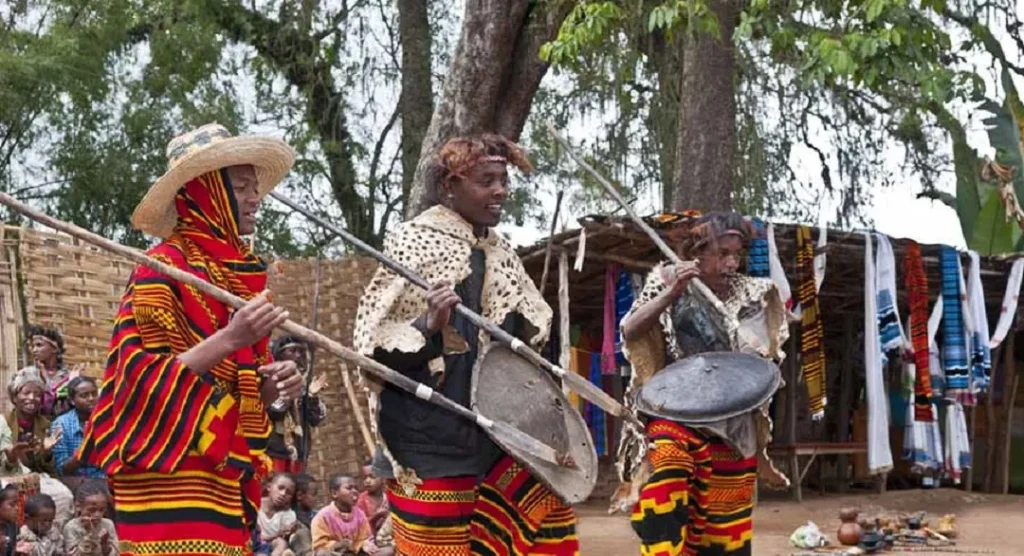
The Dorze inhabit the lush highlands near Arba Minch and are instantly recognizable for their towering beehive-shaped bamboo houses, some reaching impressive heights. These unique structures are not only architectural wonders but also practical adaptations to the mountainous environment.
Renowned as master weavers, the Dorze produce high-quality cotton textiles worn throughout Ethiopia. Their livelihood centers on agriculture, particularly the cultivation of enset (false banana), a staple crop deeply embedded in their diet and culture. With strong communal cooperation and rich oral traditions, the Dorze represent a harmonious blend of craftsmanship, agriculture, and cultural resilience.
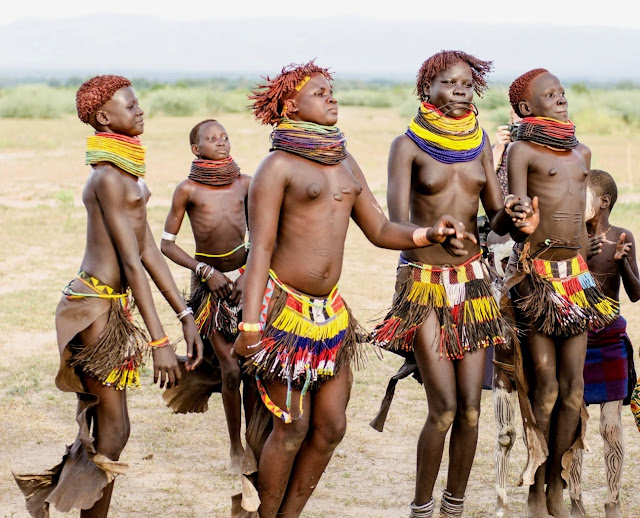
The Nyangatom reside in the remote Lower Omo Valley near the borders of Ethiopia, Kenya, and South Sudan. Cattle form the foundation of their economy, cultural identity, and social structure.
Nyangatom women are distinguished by vibrant beadwork, layered metal ornaments, and creative use of recycled materials, reflecting both artistry and resilience. Despite living in a harsh and challenging environment, the Nyangatom maintain strong communal bonds and ceremonial traditions that emphasize courage, unity, and survival.
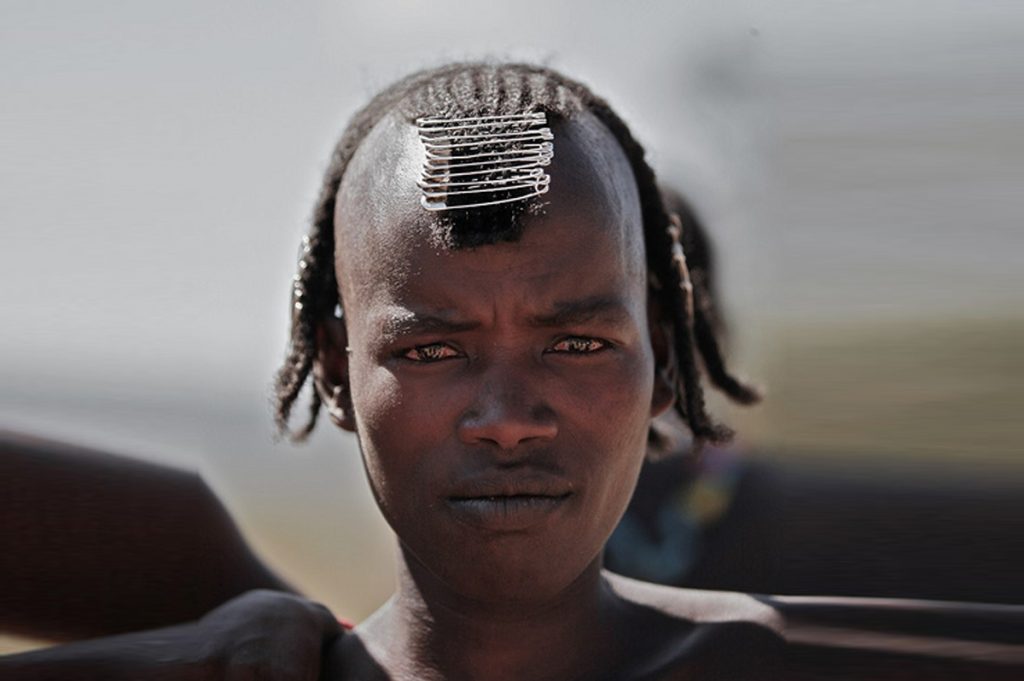
The Ari are one of the largest ethnic groups in the South Omo Zone, primarily inhabiting fertile highland areas around Jinka. Unlike neighboring pastoralist communities, the Ari practice settled agriculture and maintain permanent villages surrounded by cultivated fields.
They are skilled artisans, known for pottery, blacksmithing, and wood carving. The Ari play an important role in regional trade and agricultural production. Their lifestyle reflects a deep connection to the land and a diverse cultural heritage shaped by both farming and craftsmanship.
Designed By Skylight Technologies