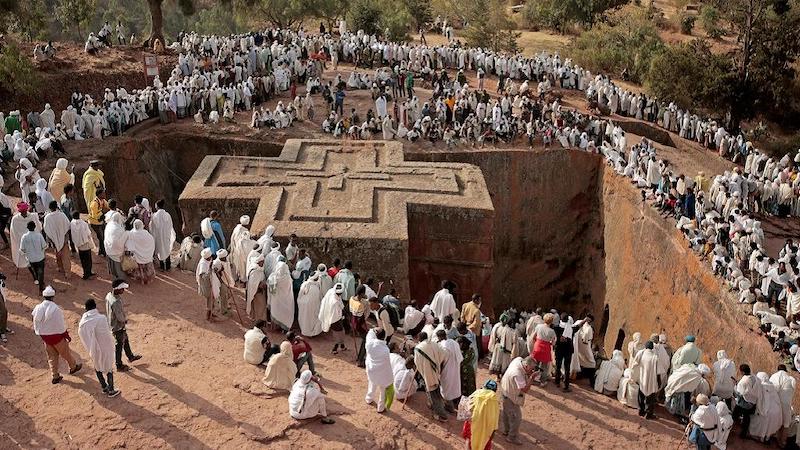
The rock-hewn churches of Lalibela represent one of the most astonishing architectural accomplishments in the world. Carved directly from solid volcanic rock during the 12th and 13th centuries, these eleven monolithic churches were formed by excavating downward into the earth rather than building upward. The result is a remarkable network of courtyards, tunnels, and sacred chambers that remain active centers of worship today.
Often described as the “Eighth Wonder of the World,” Lalibela continues to serve as a major pilgrimage site. Visitors have the rare opportunity to witness ancient Christian chants, ceremonies, and rituals still practiced in an atmosphere that feels timeless and deeply spiritual.
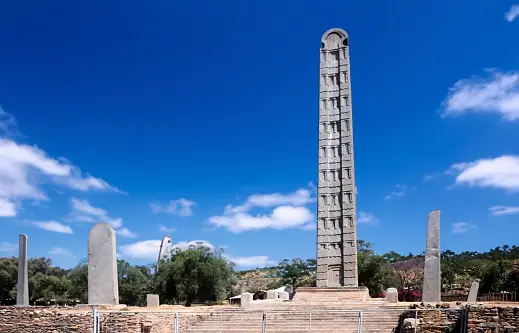
The ancient city of Axum stands at the foundation of Ethiopian civilization. Its towering granite obelisks rise from the earth as powerful reminders of an empire that flourished more than two millennia ago.
These monumental stelae were carved as royal grave markers, showcasing extraordinary engineering precision and artistic mastery. As you explore the stelae field, royal tombs, and archaeological remains, you step into the legacy of a once-great kingdom that maintained trade connections with Rome, Arabia, and India placing Axum among the most influential centers of the ancient world.
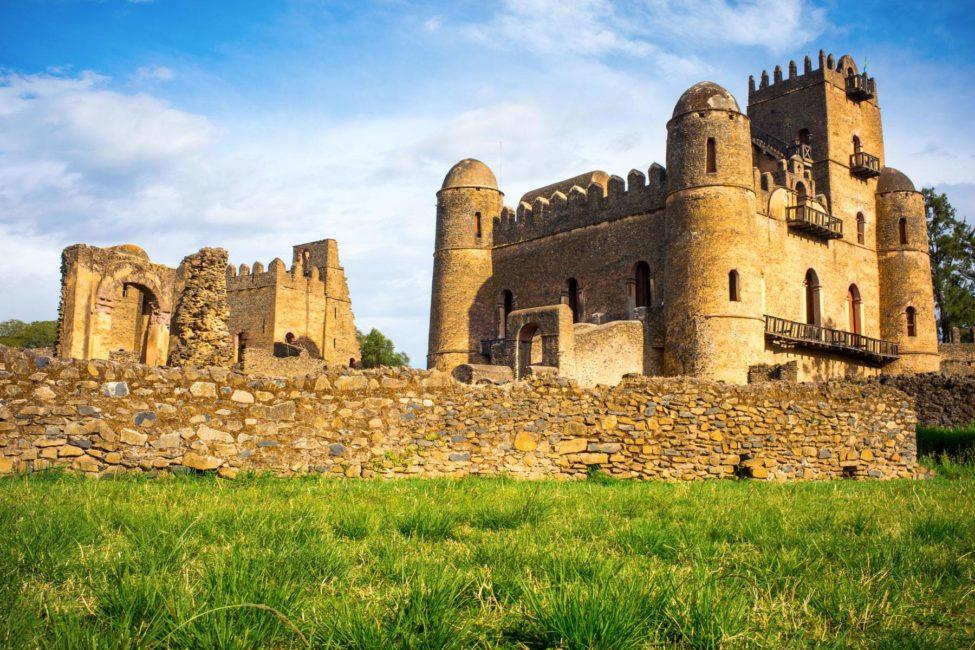
Fasil Ghebbi, the Royal Enclosure of Gondar, is a striking fortress complex dating back to the 17th century. Surrounded by imposing stone walls, the site contains castles, banquet halls, churches, and royal residences built by Emperor Fasilides and successive rulers.
The architecture reflects a fascinating blend of Ethiopian tradition with foreign influences, creating a unique and dramatic skyline. Walking through the courtyards and halls of Fasil Ghebbi feels like entering a historic royal capital where imperial ceremonies once shaped Ethiopia’s medieval era.
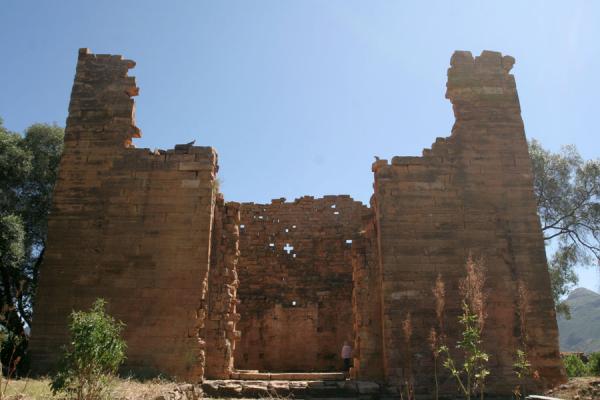
The Temple of Yeha is the oldest standing structure in Ethiopia, with origins tracing back more than 2,500 years. Associated with the ancient Sabaean civilization, the temple was constructed using massive stone blocks precisely fitted together without mortar a remarkable achievement for its time.
Yeha is widely regarded as one of the earliest centers of civilization in Ethiopia. Visiting this sacred site offers insight into the country’s pre-Axumite history and the deep roots of its architectural and spiritual heritage.
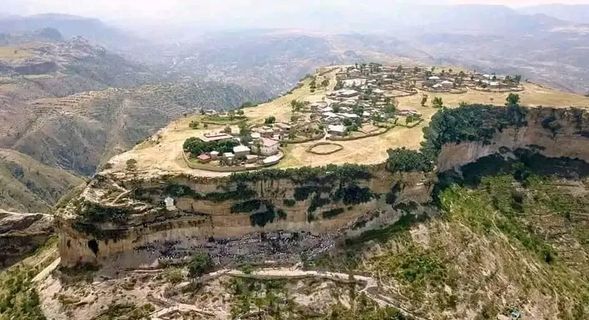
Dramatically situated atop a flat-topped mountain, Debre Damo Monastery is one of Ethiopia’s most unique and remote religious sites. Accessed only by climbing a leather rope up a vertical cliff, the monastery dates back to the 6th century and played a crucial role in early Ethiopian Christianity.
The breathtaking isolation of the site creates an atmosphere of silence and devotion. A visit to Debre Damo is both an adventurous climb and a journey into the enduring strength of Ethiopia’s monastic traditions.
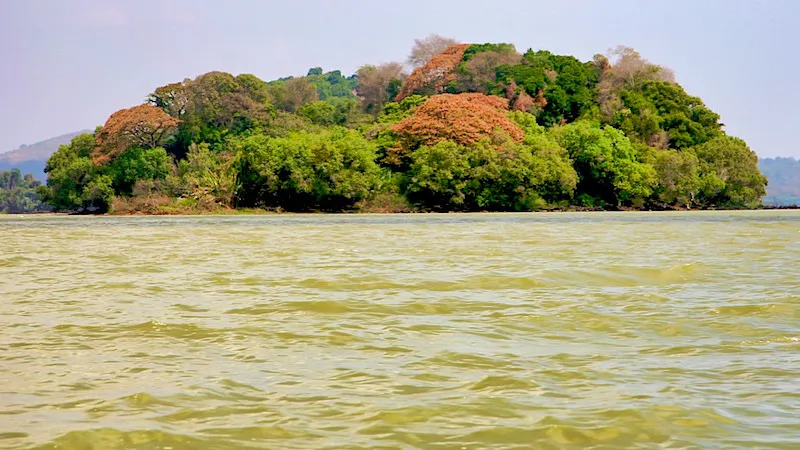
Lake Tana, Ethiopia’s largest lake and the source of the Blue Nile, shelters a collection of historic island monasteries that have preserved religious treasures for centuries. Many of these monasteries date back to the 14th century and served as safe havens for sacred manuscripts, royal relics, and the remains of emperors.
A boat excursion across the tranquil waters leads to hidden sanctuaries such as Ura Kidane Mehret and Azwa Maryam on the Zege Peninsula. Inside, vibrant frescoes from the 16th century cover the walls, illustrating biblical stories and saints in vivid Ethiopian artistic style.
Designed By Skylight Technologies