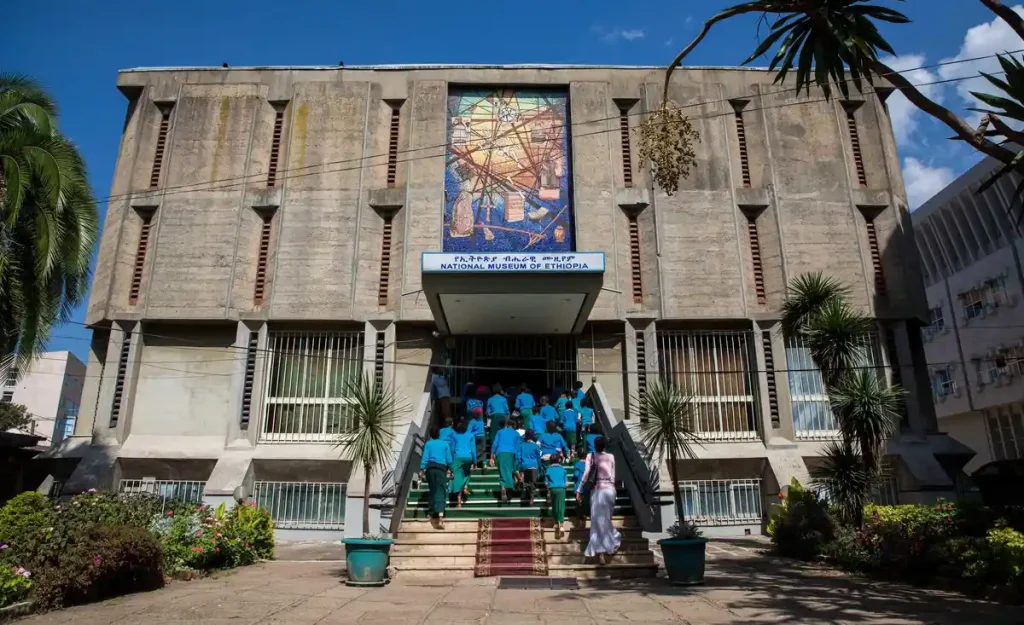
The National Museum of Ethiopia provides an excellent introduction to the country’s deep historical roots and cultural evolution. Internationally renowned as the home of “Lucy” (locally known as Dinknesh), the 3.2-million-year-old human ancestor fossil, the museum plays a vital role in telling the story of human origins.
In addition to this extraordinary discovery, visitors can explore fascinating collections of prehistoric artifacts, ancient artworks, royal treasures, and cultural exhibits representing Ethiopia’s many ethnic traditions and historical eras.
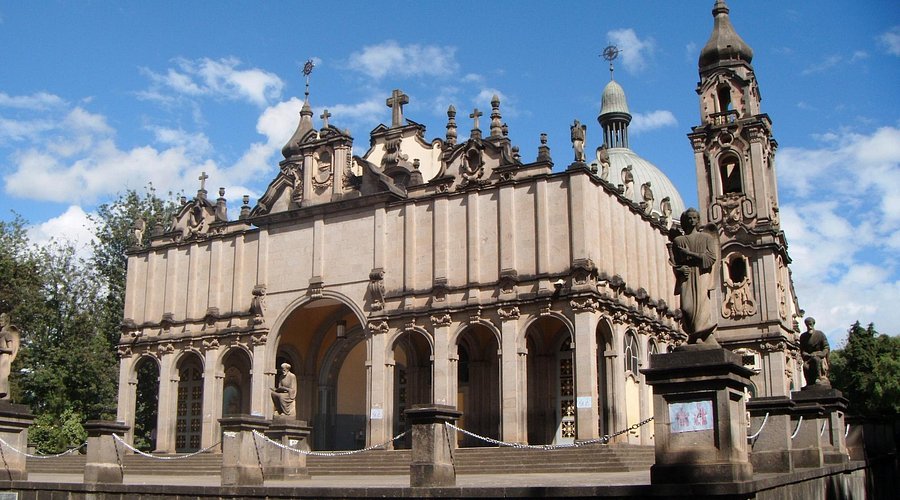
Holy Trinity Cathedral is among Ethiopia’s most significant religious and historical landmarks. Constructed to honor the nation’s liberation from Italian occupation, the cathedral represents faith, resilience, and national pride.
Inside, visitors are welcomed by impressive stained-glass windows, intricate murals, and architecture blending Ethiopian artistry with European influences. The cathedral also serves as the burial site of Emperor Haile Selassie I and Empress Menen Asfaw, adding profound historical and spiritual importance to the visit.
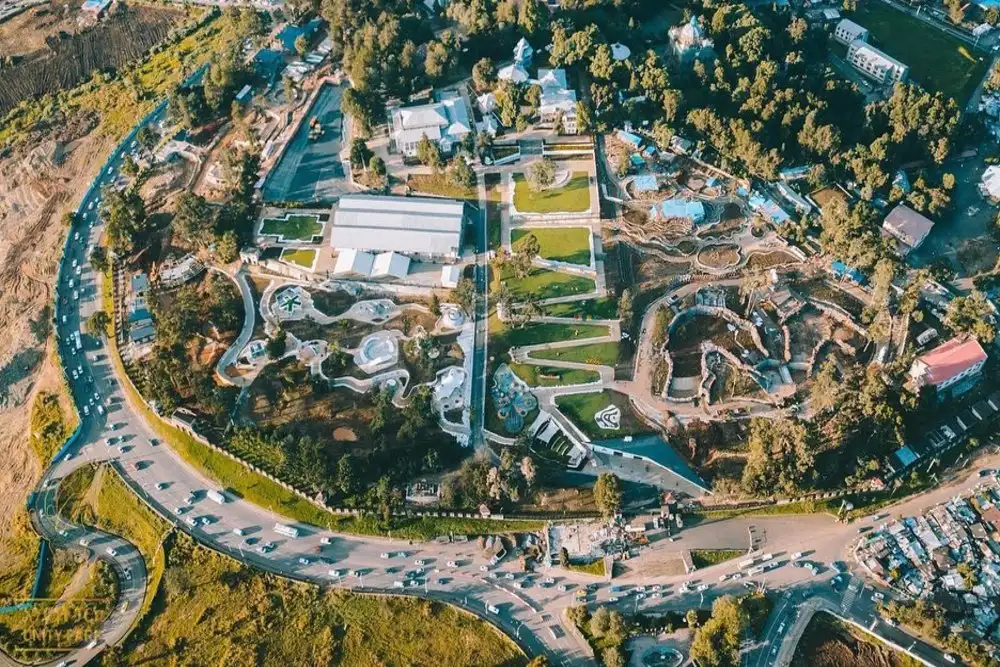
Situated within the historic Grand Palace grounds, Unity Park showcases Ethiopia’s imperial history in a beautifully restored environment. The park features preserved palace structures, cultural exhibitions, landscaped gardens, and educational displays highlighting the nation’s heritage.
Visitors can explore former royal spaces, discover Ethiopia’s cultural diversity, and enjoy a peaceful setting that combines history, learning, and modern presentation in the heart of Addis Ababa.
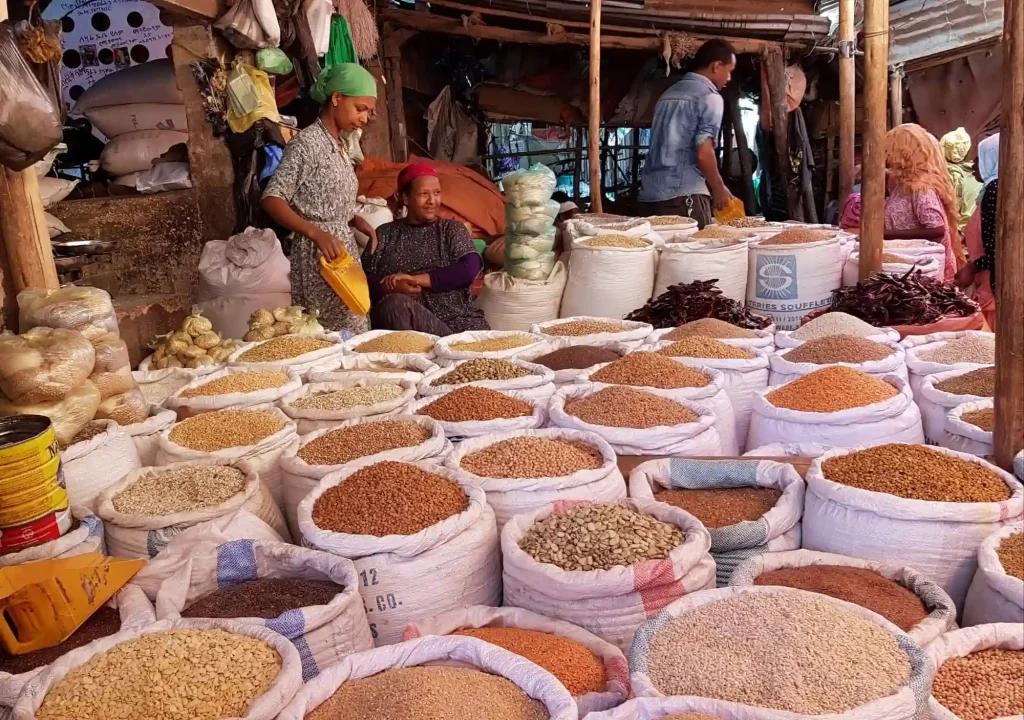
Merkato is the energetic commercial center of Addis Ababa and one of the largest open-air markets in Africa. This lively marketplace reflects the rhythm of everyday Ethiopian life, where traders sell everything from spices and coffee to textiles, baskets, incense, and handmade goods.
Walking through Merkato offers travelers an authentic cultural experience and a close look at traditional trade practices that continue to shape the city’s economy and community life.
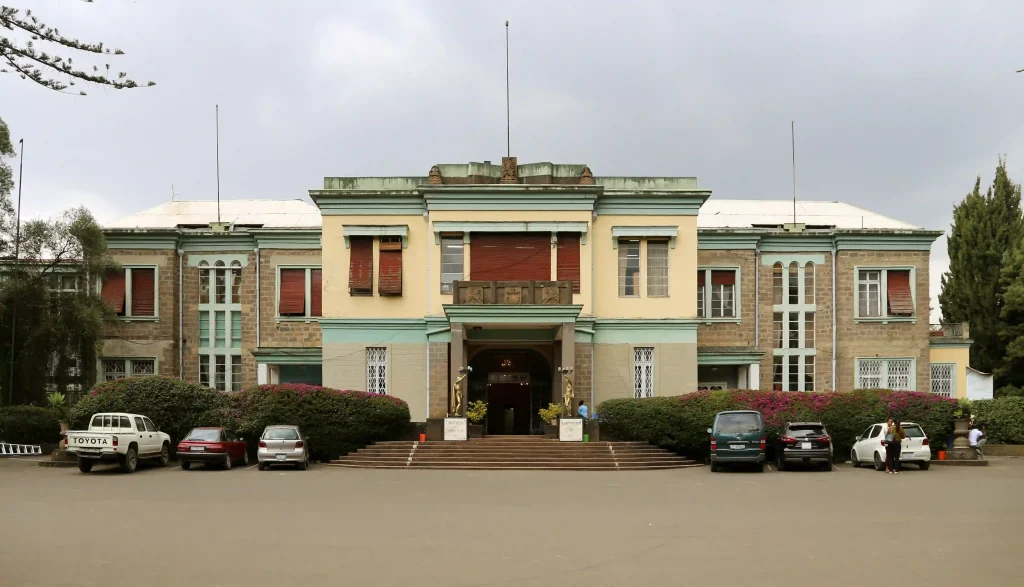
Located within Addis Ababa University, the Ethnological Museum provides rich insight into Ethiopia’s cultural diversity and traditional lifestyles. Exhibits display traditional clothing, musical instruments, household items, and spiritual practices from communities across the country.
Housed in the former palace of Emperor Haile Selassie, the museum also allows visitors to see preserved royal living quarters, offering a unique personal perspective on Ethiopia’s imperial past alongside its cultural heritage.
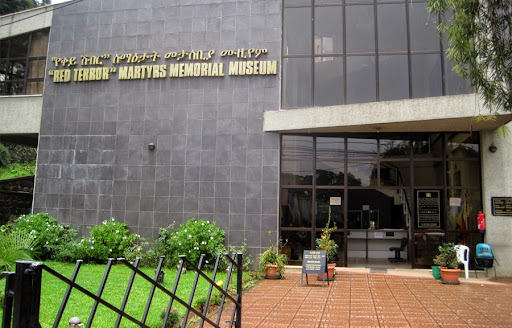
The Red Terror Martyrs Memorial Museum offers an important and reflective look into a difficult chapter of Ethiopia’s modern history between 1974 and 1978. Through photographs, personal stories, and historical records, the museum honors those affected during this period while educating visitors about the country’s journey toward resilience and recovery.
It is a meaningful stop for travelers seeking deeper historical understanding.
Designed By Skylight Technologies